



Brown slush the color of cold globs of gravy plastered Main Street as I dashed across it to the post office. I wasn’t thinking of much in particular other than maybe to keep an eye out for beggars. I breezed in through the automatic glass doors (which were actually working properly) and stepped gingerly amid the puddles of water and the sodden carpet, regretting my choice of airy summer shoes.
“Yeshua takes care of his own, right?” A man leaned against the counter above the trash receptacle.
“Yes, he does,” I agreed in passing after a second of shock.*
I waited in line at the counter, thinking about the possibility of offering the post office free mopping services, and wondering what they would say if I did.
I also wondered if the man who suggested that Yeshua takes care of his own was a beggar himself and would be waiting for me to make good on my agreement on the way out by handing him $10. But he didn’t have that kind of vibe. And when I left, he was gone.
Possibly I needed to hear that as I performed a risk assessment on a planned trip…
Upcoming Trip Risk of Death Assessment
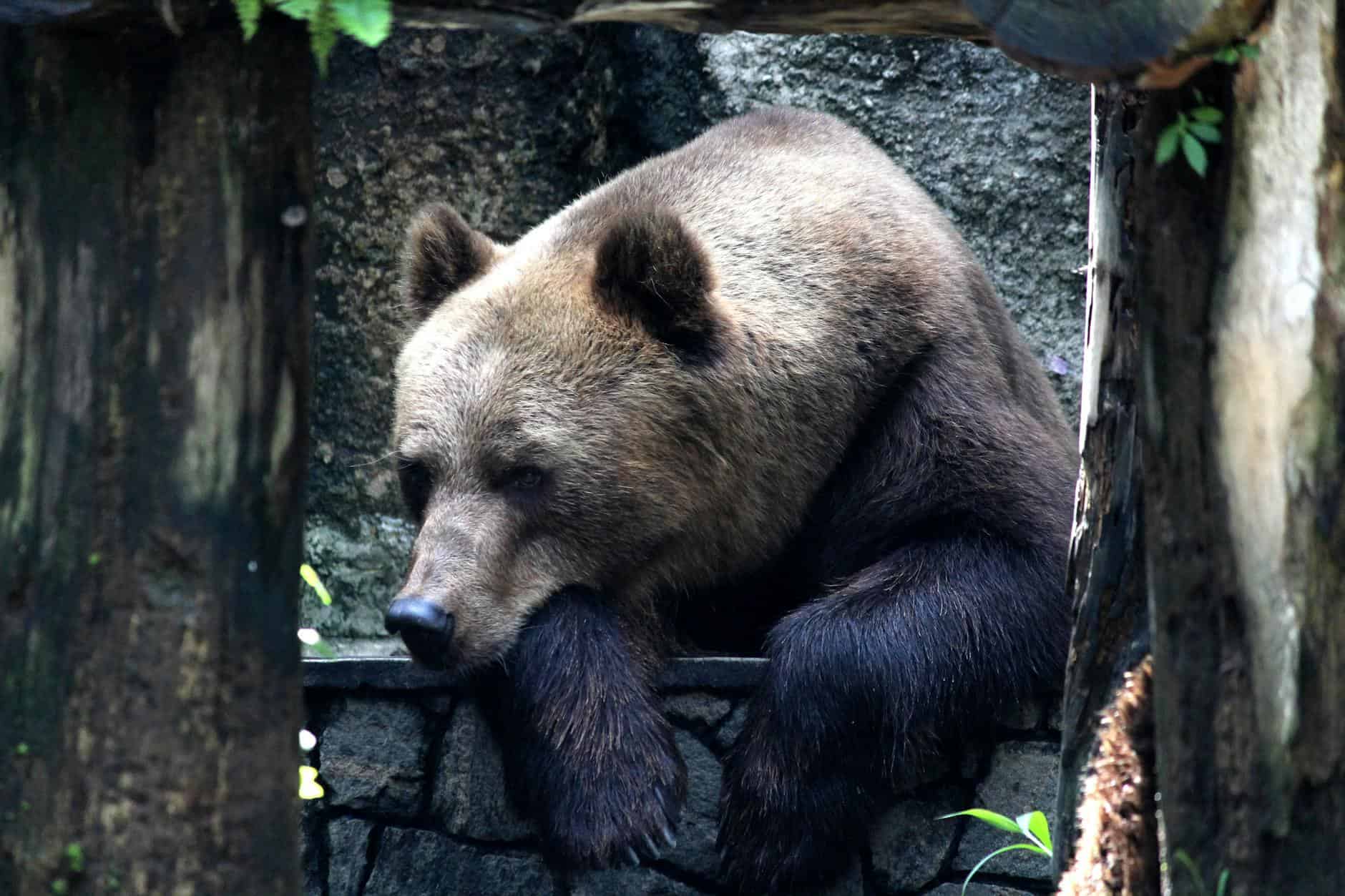
It could be that I have an unhealthy fascination with statistics or simply feel too comfortable at home, but I’ve often felt compelled to research new lands. In anticipation of the Western Anabaptist Writer’s Conference in Oregon, coming up March 6 and 7, I’ve asked a few pertinent questions. For instance, what’s my likelihood of getting eaten by bears?
The Willamette Valley, I was shocked to discover, is home to over 70% of the total population of Oregon, even though it takes up only about 5% of the space claimed by Oregon. Certainly, it includes some large cities such as Portland (where I plan to land) and the capital, Salem.
Both bears and mountain lions have been sighted in the Willamette Valley, I discovered. However, the Green Belt Land Trust from Corvallis, Oregon reassures visitors that their neighbor’s pets are more dangerous. For instance, they say, “in 2010 alone, 33 people in the U.S. were killed by domestic dogs. You are far more likely to be attacked by your neighbor’s pet than by a black bear or mountain lion.”
Aside from possible predators, should I factor my flight into my risk of death? Thinking that this kind of academic question is something that AI should be good at, I asked it if I was more likely to die on a commercial flight or from a black bear attack. Proving once again that AI can’t be trusted, I was first told that I was “astronomically more likely to be killed by a black bear than on a commercial flight.” But when I asked for the exact numbers, it changed it’s mind, saying that I was “100 times MORE likely to be killed on a commercial flight than from a black bear attack.”
Granted, much like the Green Belt Land Trust, it pointed out repeatedly that both probabilities are so astronomically small as to be almost negligible. For instance, a person’s chance of dying in a plane crash is 1 in 816,545,929. And in 109 years, only 63 people have been killed by black bears in North America. Hikers, I was told, are 30,000+ times more likely to die of that than on a flight, although again, even in the mountains, this is only 1 in 15,700, and mostly from falls or drowning. It also added, helpfully, that I have a higher chance of being killed by my own furniture than by either planes or bears.
Lastly, I thought it prudent to evaluate my risk of earthquake. Here, I found that I have a .006% chance of experiencing a strong earthquake on a week trip to Oregon, although the possibility of feeling a small one was much higher.
With this in mind, I think I’m ready for travel. Until then, maybe I should just stay away from furniture.
Or, maybe I should remind myself that Yeshua cares for his own.